
What Can Be Harder During Birth Without a Doula? What Many Families Discover Too Late
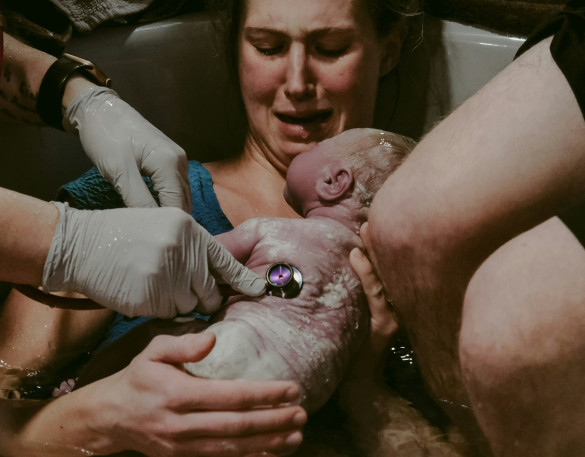
There's something important to say from the start: you don't need a doula to have a safe birth. Millions of women give birth without one. But that doesn't mean continuous support isn't valuable. The problem is that many families don't think about the kind of support they'll need until they're already at the hospital.
"I thought the nurse would be with me the whole time"
This is one of the expectations that can surprise some families. Nurses and doctors are essential to medical care, but they also have other patients and responsibilities. A doula has a different role — her attention is focused entirely on supporting the person giving birth.
"I didn't know what I could ask"
During labor you can hear a lot of new words and receive information quickly. A doula can help you organize your questions so you can talk with your medical team — things like:
A doula doesn't answer medical questions that belong to the provider — she helps you take part in the conversation.
"My partner was just as nervous as I was"
Your partner can also feel excited, scared, or unsure — and that's completely normal. A doula can be an additional resource for your partner. Instead of your partner having to figure out how to help you through every contraction, they can receive guidance and support.
"My birth plan changed"
This happens. An induction can turn into an epidural. An epidural might not work the way you expected. A vaginal birth can turn into a cesarean. None of this means you failed. A doula can help you get through those changes without feeling like you're completely losing control of the experience.
The importance of feeling supported
The available evidence on continuous support during labor is significant. A Cochrane review found that women who received continuous support had, on average, fewer cesareans and shorter labors, along with better ratings of their birth experience. ACOG also recognizes that doulas can contribute to emotional and physical support, education, and communication between patients and providers.
So what happens if you don't have a doula?
It doesn't mean something bad will happen. It means you'll be relying mainly on your partner, family, and medical team to cover all your support needs. For some families that works perfectly. For others, having a person dedicated solely to supporting them makes the process feel much more manageable.
The question isn't "Can I give birth without a doula?" Of course you can. The better question might be: "How do I want to feel during my pregnancy, birth, and postpartum — and what kind of support do I need to make that happen?"